
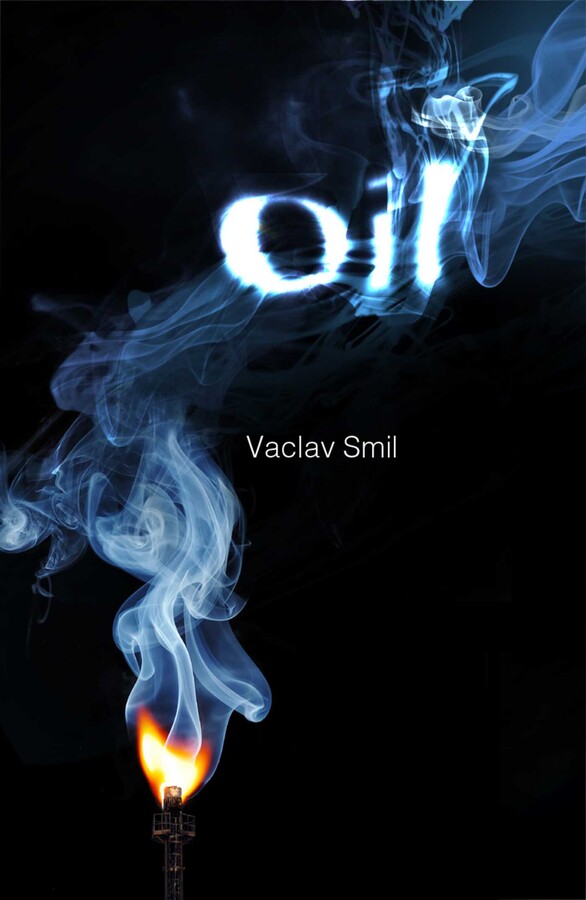
The complete story of the one resource that built the modern world — told with clarity and authority by one of the world's foremost energy thinkers.
Every car trip, plastic product, and global supply chain runs on oil, yet few people understand where it comes from, how it's found and refined, or what its true costs are. In this concise, fast-moving primer, Vaclav Smil cuts through the noise to explain the entire petroleum enterprise from the ground up.
In clear, jargon-free prose, Oil traces the full arc of the subject: the geology and ancient chemistry that form crude over millions of years, the way the industry explores for and extracts it from miles below the surface, the transport and refining that turn raw petroleum into fuels, plastics, and thousands of everyday products, and the profound impacts oil has on economies, geopolitics, energy security, and the environment. It is an interdisciplinary survey that connects the science to the society it shaped.
Smil, the prolific energy scholar whose rigorous, data-driven books have made him one of the most respected voices in the field, distills decades of research into a single accessible volume packed with the facts and figures that actually matter. Neither alarmist nor apologist, he gives you the numbers and the context to understand the most important commodity of the modern age. Whether you're a student, a professional in the energy sector, or simply a curious reader, Oil is the clearest, most reliable introduction available.
